Ecosystem Clipart Free Graphics and Freebies Review
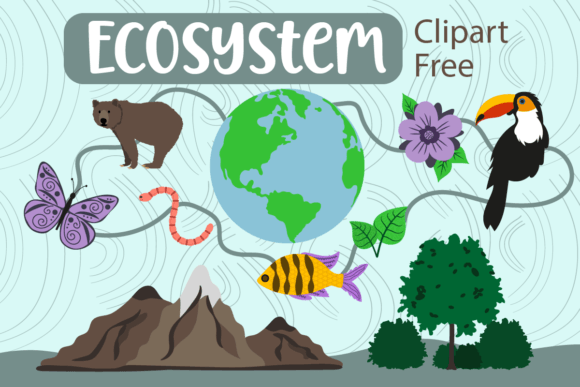
As a digital publisher who has spent years refining the visual architecture of content websites, I know that first impressions are not just about headlines; they are about the immediate emotional connection established through imagery. When I encountered Ecosystem Clipart Free, my initial reaction was one of editorial curiosity. The description invites us to "go back to science class" while reminding us that we are all deeply connected on this planet. This sentiment creates an immediate mood of educational warmth, grounded in nature but accessible to a modern audience.
In the world of content marketing, visual hierarchy dictates how readers scan and consume information. This graphic design asset does not feel overly corporate or sterile, nor is it chaotic. Instead, it strikes a balance between professional clarity and organic charm. For bloggers, online educators, and affiliate marketers, this bundle offers a unique opportunity to elevate standard blog graphics into something that feels like part of a cohesive narrative. It supports content niches ranging from environmental awareness and health wellness to general lifestyle education, providing a versatile toolkit for creators who want their websites to look polished, trustworthy, and visually engaging.
The Editorial Value of Organic Visuals
When reviewing any set of design assets, I always ask: does this support the brand identity? Ecosystem Clipart Free brings a sense of interconnectedness that is perfect for storytelling. Whether you are creating a featured image for a deep-dive article on sustainability or designing a Pinterest pin for a downloadable guide on sustainable living, these graphics provide a consistent visual language. The inclusion of ten unique designs within this freebie allows for variety without sacrificing thematic unity.
This approach to modern design helps build reader trust. In an era where users are skeptical of clickbait, clean, well-designed visuals signal quality. If your website header or category thumbnails use disjointed, low-quality images, visitors may subconsciously question the credibility of your content. By integrating Ecosystem Clipart Free into your web design strategy, you create a stronger visual identity. Readers begin to recognize your content style instantly, which improves return visit rates and overall engagement. The aesthetic is clean enough for serious educational topics yet friendly enough for lifestyle blogs, making it a powerful tool for small business branding in the creative space.
Real-World Publishing Applications
The true test of any design asset is its utility in a real publishing workflow. I have analyzed how this bundle can be integrated into various aspects of content creation, from daily blog posts to long-term digital products.
- Blog Featured Images: Use these graphics as background elements or focal points for your post thumbnails. They help break up text-heavy layouts and draw the eye to the headline, improving click-through potential from search results.
- Pinterest Pins and Social Media Graphics: Visual discovery platforms rely heavily on aesthetics. These cliparts offer the perfect balance of detail and simplicity for Pinterest pin designs, ensuring your content stands out in crowded feeds without looking cluttered.
- Digital Guides and Lead Magnets: For those creating digital guides, worksheets, or lead magnet resources, these graphics add a layer of professionalism. They can serve as section dividers, chapter headers, or decorative accents that make a PDF download feel like a premium product.
- Newsletter Headers: Email marketing remains a cornerstone of content marketing. Using these designs in your newsletter banners can increase open rates by making your emails feel more personal and less automated.
- Affiliate Content Visuals: For affiliate marketers, trust is currency. When promoting eco-friendly products or educational tools, using relevant, high-quality graphics reinforces the message and makes the recommendation feel more authentic.
- Canva Templates: If you work with non-designers or need to scale your content production, these assets can be easily adapted into reusable Canva template structures, ensuring consistency across all your social media posts and blog headers.
Impact on Content Performance
Investing time in proper editorial design pays dividends in user experience. When you utilize Ecosystem Clipart Free effectively, you are not just decorating; you are guiding the reader. A clear visual hierarchy ensures that important information is seen first. For example, placing a subtle ecosystem graphic behind a key statistic in an article can emphasize its importance without distracting from the text.
Furthermore, consistent use of these graphics contributes to a more professional-looking content page. It signals to the visitor that you care about the details, which enhances the perceived value of your commercial design efforts. This is particularly important for monetized websites where ad revenue and affiliate sales depend on keeping visitors engaged longer. Better engagement metrics often correlate with higher search engine rankings, making good design a strategic SEO asset in itself.
Strategic Placement and Cautionary Notes
While Ecosystem Clipart Free is versatile, smart publishers know that context is everything. There are specific scenarios where these graphics shine, and others where they might need careful handling.
Where it works best:
- Hero Images: Large, full-width banners benefit from the detailed nature of these cliparts, setting the tone for the entire page.
- Editorial Accents: Small icons or borders used to separate sections of a long-form article keep the reader’s eye moving down the page.
- Category Visuals: Using distinct graphics for different content categories (e.g., "Science," "Nature," "Education") helps users navigate your site intuitively.
- Social Media Previews: Optimized for sharing, these graphics ensure your links look attractive when posted on Facebook, LinkedIn, or Twitter.
Where to use carefully:
- Small Mobile Thumbnails: On very small screens, intricate details may become muddy. Always test how the graphic looks at thumbnail size.
- Text-Heavy Blog Images: Avoid placing complex cliparts directly behind dense blocks of text. This can hurt readability and accessibility.
- Serious Professional Niches: If you are writing for highly corporate or legal audiences, the playful nature of this bundle might feel too informal. Consider using it only for sidebars or footer elements rather than primary content.
- Low-Contrast Backgrounds: Ensure there is sufficient contrast between the graphic and the background to maintain visibility.
Practical Publisher Notes for Implementation
To get the most out of this graphic design asset, I recommend following a rigorous testing protocol before deploying it across your platform.
First, test it on desktop and mobile screens. A graphic that looks balanced on a wide monitor might feel cramped on a smartphone. Check how it renders as a thumbnail in your RSS feed and in social media previews. Second, preview it inside a real blog layout. Does it clash with your existing color palette? Does it disrupt the flow of your typography? Third, test it with headline text. Place your H1 or H2 tags over or next to the graphic to ensure the combination is legible and aesthetically pleasing.
Additionally, consider contrast and readability. Try placing the graphic against both light and dark backgrounds. You might find that desaturating the image slightly allows your text to pop more effectively. Also, try it in black and white; if the design holds up in grayscale, it is likely strong enough for any color scheme.
Typography pairing is another critical factor. Experiment with placing these graphics beside serif font styles for a classic, academic feel, or sans serif font combinations for a modern, clean look. You might even try a script font or handwritten font for a more personal, blogger-centric vibe. However, avoid mixing too many typefaces, as this can dilute your brand identity.
Finally, pay attention to technical performance. Review file size for web performance. Large image files can slow down your site, negatively impacting user experience and SEO. Compress images properly using tools like TinyPNG or ImageOptim before uploading. And perhaps most importantly, confirm commercial licensing before using it on monetized websites, affiliate pages, or paid content products. Even though this is a freebie, understanding the terms of use protects your business from potential legal issues.
In conclusion, Ecosystem Clipart Free is more than just a collection of images; it is a tool for enhancing communication. By integrating these creative design elements thoughtfully into your digital download strategies, newsletter campaigns, and everyday blog posts, you create a richer, more engaging environment for your audience. It is a simple addition that can significantly upgrade the editorial quality of your online presence.