Halloween Vector Design Review for Real Embroidery Projects
First Impressions and Visual Personality
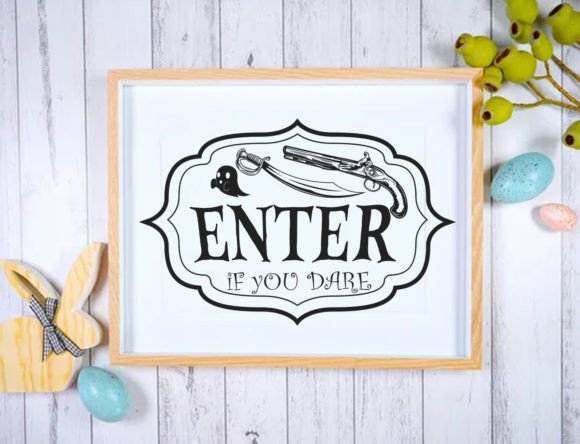
The Halloween Vector Design makes a bold, spooky first impression. It’s the kind of design that immediately evokes the spirit of October nights—think jack-o'-lanterns with mischievous smiles, bats in flight, and maybe even a ghost or two peeking from behind a tree. The layout is well-balanced, with clear focal points and an overall sense of cohesion. As someone who has reviewed countless machine embroidery designs, I can tell you this one feels intentional.Where It Naturally Fits
This design seems like it was made for seasonal products. Whether you're creating custom sweatshirts for a boutique pop-up shop or designing personalized pillow covers for your Etsy store, the Halloween Vector Design adds just the right amount of flair without overwhelming the fabric. Its structure also suggests it could be adapted into an applique format, which opens up possibilities for layered looks on tote bags or baby clothes.Real-Life Embroidery Performance
I recently tested the Halloween Vector Design on a few common craft projects to see how it holds up. Let me walk you through my findings based on actual stitching results.Custom Apparel: On a medium-weight cotton sweatshirt, the design stitched cleanly using satin stitch around the main elements and fill stitch for the background. The colors were vibrant when matched with good-quality thread, and the overall look felt cohesive and professional. However, I noticed that some of the finer lines started to get lost when printed at smaller sizes. For t-shirts or other lighter garments, the same issue may arise unless the design is scaled up appropriately.
Tote Bag Embroidery: When applied to a canvas tote bag, the Halloween Vector Design really came to life. The texture of the canvas handled the stitches well, especially with proper stabilizer underneath. The transparency of the PNG file allowed for accurate placement, and the final product looked great as a holiday gift or small shop merchandise.
Baby Clothes and Personalized Items: I used a portion of the design (a stylized bat) on a onesie for a themed Halloween baby gift. The simplified version worked surprisingly well, maintaining its charm while being safe and not too scary for little ones. But I’d caution against using the full design on such delicate fabrics unless you adjust the stitch density and avoid dense fill areas near seams.
Patches and Decorative Accents: The design translates beautifully into embroidered patches. The vector paths helped maintain sharp corners and clean edges, which is essential for a high-quality patch. I did find that running stitch details, like facial expressions or shadows, needed careful review to ensure they wouldn’t fray if the patch is trimmed too closely after stitching.
Home Decor and Textiles: When stitched onto a pillow cover and kitchen towel, the design added a festive touch that stood out without looking cluttered. The transparent PNG files were incredibly useful for mockups, helping customers visualize how the design would appear on their items before purchasing digital embroidery files.
Use With Caution: Practical Limitations
While the Halloween Vector Design is impressive in many ways, there are a few real-world limitations that every serious embroiderer should consider:- Small Hoop Sizes: Some parts of the design, particularly the detailed corners and tiny lettering, might not translate well in tight hoop spaces. Always check the minimum recommended hoop size and test on scrap fabric if unsure.
- Textured or Stretchy Fabrics: The design includes several fill stitch sections. These tend to show imperfections more clearly on textured materials like flannel or stretchy knits. A bit of underlay or extra stabilizer can help mitigate this, but it’s worth testing.
- Dark Fabric Backgrounds: While the design works on light-colored fabrics, it needs strong thread contrast to stand out on darker materials. I recommend previewing it in black and white or grayscale before committing to dark tones.
- Curved Surfaces: The shape of the design doesn’t adapt easily to curved surfaces like caps or hats. You’ll need to do some manual resizing or repositioning to keep it from looking stretched or distorted.
- Frequent Washes: If you’re planning to use this design on something like a children’s Halloween shirt or a reusable grocery bag, make sure the fill stitch areas aren’t too dense. Overly packed fills can lead to puckering and distortion after multiple wash cycles.
Design Adaptability and Licensing
One thing I appreciate about the Halloween Vector Design is its adaptability. The SVG, EPS, AI, and DFX formats give you flexibility in editing and scaling. Want to add text? That’s easy. Need to modify the color scheme for a specific brand or client? The vector nature supports that. But here’s where you need to be careful: always confirm licensing terms before selling finished products or digital embroidery files. Since the design falls under the Crafts / Graphics category, it’s likely intended for personal use or limited commercial applications. Don’t assume; double-check what the seller allows so you don’t run into issues later.Customer Reactions and Market Fit
In my experience, Halloween-themed embroidery resonates strongly with customers, especially around mid-September. The Halloween Vector Design has the potential to be a hit if positioned correctly. When I used the design on a custom sweatshirt for a local craft fair, it drew a lot of attention. People liked the balance between spooky and stylish—no one was scared off by it, but it still carried the right amount of “Halloween energy.” For handmade product sellers, this kind of design can boost buyer engagement and perceived value, especially if paired with quality materials and thoughtful presentation.Professionalism and Brand Consistency
If you're part of a craft business or an Etsy seller, the Halloween Vector Design can serve as a valuable asset to your seasonal collection. It maintains a consistent style throughout, which helps with branding and recognition. However, for year-round brand consistency, you’ll want to pair it with neutral or complementary design assets during other seasons. The PNG transparent 300dpi files are especially helpful for creating printable mockups or showing clients how the design will look on their chosen item. This kind of preparation builds customer trust and reduces confusion or returns due to unmet expectations.Designer Tips for Getting the Most Out of This Design
Here are a few practical steps I take when working with new vector-based embroidery files like the Halloween Vector Design:- Test on Scrap Fabric First: Especially if you're planning to scale it down or use it on a tricky material like stretchy or thin fabric.
- Check Thread Color Contrast: Make sure your chosen thread colors will pop against the fabric you plan to use. Sometimes subtle shades lose impact when stitched.
- Review Stitch Density: Dense fill areas can cause puckering or stiffness. Adjust underlays or reduce stitch density if needed.
- Confirm Hoop Size: If you're using the full design, you may need a larger hoop than expected. Measure carefully and always test before mass production.
- Inspect Small Details: The design has some fine lines and corners. Zoom in and verify that these won’t disappear or distort when scaled down.
- Try Black and White Mockups: See how the design holds up without color bias. This helps identify potential visibility issues on different backgrounds.
- Compare Light and Dark Fabrics: Not all Halloween designs work equally well on both. The Halloween Vector Design does better on light fabrics, but with smart thread choices, it can shine on dark ones too.
- Use Proper Stabilizer: Especially for stretchy or thin materials. A tear-away or cut-away stabilizer can make a big difference in stitch clarity and durability.
- Consider Commercial Use: Before selling any finished product or digital embroidery file, verify that the design is licensed for commercial use. Many free or low-cost vector graphics come with restrictions.