Tools Silhouettes Collection Vector Review
As a designer who spends half the day in digitizing software and the other half testing stitches on scrap fabric, I have learned to be skeptical of any asset that promises too much. When I first pulled up Tools Silhouettes Collection Vector, my initial reaction was one of cautious optimism. The concept is straightforward: solid shapes representing various tools, rendered as clean silhouettes. But in the world of machine embroidery, "straightforward" is often where things go wrong if the details aren't right. I decided to put this design through its paces, not just by looking at the vector file, but by imagining how it would translate into a physical, stitched product for a real client or a small business inventory.
First Impressions and Visual Personality
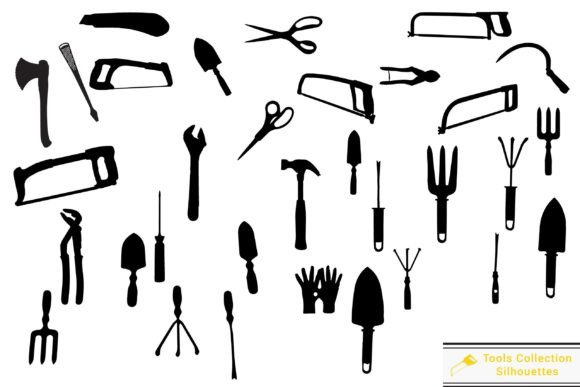
The mood of Tools Silhouettes Collection Vector is utilitarian yet charming. Because it relies on the silhouette format—a solid shape of a single color with edges matching the outline—the design immediately reads as bold and graphic. This is a crucial distinction for embroidery designers. Unlike intricate photographic designs that rely on color shading and complex stitch direction changes, a silhouette design depends entirely on contrast and clean lines. The visual personality here feels grounded and practical. It doesn’t try to be delicate; it aims to be recognizable. For an embroiderer, this is a relief. You don’t have to worry about gradient blending or subtle tonal shifts that often get lost in thread texture. The strength of this design lies in its simplicity, making it an excellent candidate for custom apparel where you want a statement without overwhelming the garment.
Real-World Application: From Screen to Stitch
To truly evaluate a design, you have to imagine it on a finished product. I spent some time visualizing Tools Silhouettes Collection Vector applied to different mediums. The most immediate fit seemed to be a tote bag design. Imagine a sturdy canvas tote for a carpenter, a plumber, or a DIY enthusiast. A single, well-placed tool silhouette on the front pocket offers a professional look that appeals to tradespeople who appreciate their craft. The solid fill of the silhouette would hold up well against the rough texture of canvas, creating a tactile, durable finish.
Beyond bags, this design has strong potential for sweatshirt embroidery. Think of a unisex hoodie for a home renovation project or a workshop participant. The bold nature of the silhouette ensures visibility even from a distance. However, I also saw value in smaller applications. An embroidered patch featuring one of these tool icons could serve as a badge of honor for a maker’s apron. Alternatively, placing a subtle tool silhouette near the cuff of a work shirt adds a touch of personalized flair without being overly loud. For Etsy sellers looking to expand into small shop products, these designs offer versatility. They can be used for personalized gifts for Father’s Day, birthdays, or retirement parties for those leaving skilled trades.
Where Caution Is Required
While the concept is strong, not every surface is created equal. There are specific scenarios where Tools Silhouettes Collection Vector requires careful handling. First, consider the hoop size. If you attempt to digitize or stitch these silhouettes in a very small hoop, the fine details of the tool handles or connections might disappear. A hammer head needs enough space to define its shape; otherwise, it becomes an indistinguishable blob. Always test the design in your intended hoop size before committing to production.
Fabric choice is equally critical. Embroidering a solid silhouette on a highly textured fabric, such as a chunky knit or a heavy denim weave, can distort the clean edges of the shape. The thread may sink into the fabric valleys, softening the crisp outline that makes the silhouette effective. Similarly, stretchy fabrics like thin jersey require proper stabilizer usage to prevent puckering. If the fabric stretches during stitching, the silhouette will warp, ruining the geometric integrity of the design. Dark fabrics present another challenge. Since the interior of a silhouette is usually a single color, typically black or dark gray, using dark thread on dark fabric will result in a design that is nearly invisible. You must ensure high thread colors contrast against the background, perhaps using white or bright metallic thread for the fill to make the shape pop.
Stitch Density and Detailing
One aspect that demands attention is stitch density. A large solid fill can become stiff and bulky if over-stitched. For a machine embroidery design meant to be worn frequently, such as on a work shirt or apron, excessive bulk can cause discomfort. Conversely, if the fill is too sparse, the backing material might show through, especially on lighter fabrics. It is essential to review the stitch type. While a standard fill stitch works for the main body, adding a running stitch or satin stitch border can help define the edges and add a polished, professional finish. This extra step can elevate a simple shape into a premium-looking finished product.
Impact on Brand and Customer Perception
For craft business owners and commercial embroidery professionals, the way a design looks directly impacts customer trust. A clean, well-executed silhouette suggests precision and care. When a customer receives a handmade product with sharp, clear stitching, they perceive higher value. In contrast, a poorly executed design with loose threads or distorted shapes can undermine the brand’s credibility. Using design assets like Tools Silhouettes Collection Vector allows you to maintain consistency across your product line. Whether you are creating a set of kitchen towels or a collection of nursery decor items (perhaps for a future builder or engineer), the consistent style helps build a recognizable brand identity.
Furthermore, the thematic nature of the tools resonates with specific audiences. It speaks to problem-solvers, creators, and builders. This emotional connection can drive engagement. A buyer isn’t just purchasing a piece of cloth; they are buying into an identity. This is particularly true for holiday embroidery projects or wedding gifts for couples who share a passion for building their own homes. The design becomes a conversation starter, enhancing the giftability of the item.
Practical Designer Notes for Success
Before incorporating Tools Silhouettes Collection Vector into your workflow, there are several technical checks you should perform. First, always test the design on scrap fabric that matches the weight and texture of your final product. This allows you to see how the stabilizer interacts with the material and whether the tension settings need adjustment. Second, inspect the small details closely. Are the tool handles distinct? Is the grip texture visible? If the original vector lacks sufficient detail, you may need to simplify the design further rather than trying to force complexity into a small area.
It is also wise to test the design in black and white mockups. This helps you evaluate the balance and composition without the distraction of color. Compare light and dark fabric backgrounds to determine which combination offers the best readability. Additionally, confirm whether the design works for both personal use and commercial projects. Check the licensing terms carefully. If you plan to sell finished items, you need assurance that you have the right to do so. Many digital embroidery files come with specific restrictions, and ignoring them can lead to legal issues. Finally, remember that while this is categorized under Freebies and Graphics, the quality of execution still rests on your shoulders as the embroiderer. Your skill in digitizing and stitching will determine whether this asset shines or fades into the background.
Final Thoughts
Tools Silhouettes Collection Vector is a versatile and reliable asset for any embroiderer looking to create meaningful, durable, and visually striking products. Its strength lies in its clarity and adaptability, making it suitable for a wide range of applications from apparel decorators to creative entrepreneurs. By paying attention to fabric choice, stitch density, and contrast, you can transform these simple shapes into powerful design statements. Whether you are crafting a unique personalized gift or stocking your Etsy listing with trendy design assets, this collection provides a solid foundation for success. Just remember: the best designs are not just about the image, but about how well it translates to the needle and thread.