Tulip Clipart Free: Essential Graphics for Blog Freebies
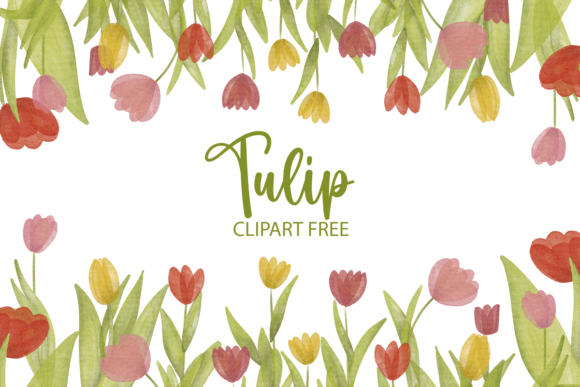
As a digital publisher who has spent years refining the visual architecture of content websites, I approach every new graphic design asset with a mix of excitement and skepticism. In the world of content marketing, visuals are not merely decoration; they are functional tools that drive engagement, establish authority, and guide user behavior. When I encountered Tulip Clipart Free, I immediately thought about its potential application in seasonal editorial campaigns, lifestyle blogs, and spring-themed lead magnets. The moment you see the first tulip bouquets in stores and flower shops, you know that spring is truly here. This imagery evokes a sense of renewal and freshness that resonates deeply with audiences seeking inspiration, making it an ideal candidate for modern design projects that require a touch of elegance without overwhelming the reader.
The Editorial Mood and Visual Impact
The aesthetic of Tulip Clipart Free leans heavily into a minimalist yet vibrant style. For bloggers and website owners, this balance is crucial. A design that is too busy can distract from the copy, while one that is too stark may fail to capture attention. These tulips strike a chord between being decorative and informative. They suggest a brand identity that is approachable, feminine, and fresh, which makes them particularly effective for niches such as home decor, gardening, lifestyle, wellness, and creative entrepreneurship.
From an editorial perspective, these graphics support a clean visual hierarchy. When used correctly, they allow the headline and key messaging to take center stage while providing a pleasing contextual backdrop. This is vital for maintaining reader trust; a polished look signals professionalism and care, encouraging visitors to stay longer and explore more of your site. Whether you are creating a category thumbnail or a featured image, the visual mood set by these assets helps define the tone of your publication before a single word is read.
Integrating Assets into Real Publishing Workflows
In my workflow, I rarely use a graphic asset in isolation. Instead, I integrate them into a broader ecosystem of blog graphics and digital products. Here is how Tulip Clipart Free fits into practical publishing scenarios:
- Pinterest Pins and Social Media Graphics: Spring is a high-traffic season on Pinterest. Using these tulip illustrations in vertical pin designs can significantly boost click-through rates. The bright colors stand out against neutral feeds, drawing the eye to your link.
- Newsletter Headers and Banners: Email open rates depend on subject lines, but retention depends on the reading experience. A custom header featuring these graphics can break up text blocks and add personality to your weekly updates, reinforcing your small business branding.
- Digital Guides and Lead Magnets: If you offer a downloadable resource, such as a "Spring Cleaning Checklist" or a "Gardening Starter Guide," covering the document with high-quality clipart elevates its perceived value. It transforms a simple PDF into a professional-looking digital product.
- Canva Templates: For creators selling templates to other small business owners, including these tulip elements adds versatility. Users can easily swap out colors or combine them with photos to create cohesive social media graphics that feel timely and relevant.
- Affiliate Marketing Content: When reviewing products related to home aesthetics or outdoor living, these graphics serve as excellent editorial accents. They help illustrate points and keep the layout dynamic, which is essential for keeping readers engaged long enough to click affiliate links.
Enhancing Content Performance and Brand Identity
Investing time in selecting the right design assets pays off in measurable ways. By incorporating Tulip Clipart Free into your site’s visual system, you contribute to a stronger visual identity. Consistency is key in web design; when users recognize your unique style across blog posts, social media, and email, they develop familiarity. This familiarity builds trust, which is the currency of online publishing.
Furthermore, these graphics support better visual hierarchy. A well-placed tulip illustration can act as a bullet point, a section divider, or a background element that guides the eye down the page. This subtle guidance improves readability and ensures that important information is noticed. In the context of editorial design, this means your content feels curated rather than just published. It suggests that you value the presentation of your ideas, which encourages readers to share your work.
Strategic Placement and Best Practices
While these graphics are versatile, they must be used strategically to maintain their impact. Here is where they shine:
- Hero Images: Use large-scale versions for top-of-page banners to create an immediate emotional connection.
- Article Thumbnails: Smaller, cropped details of the tulips work well as icons next to post titles.
- Editorial Accents: Scatter smaller elements around sidebars or footers to add a playful touch without cluttering the main content area.
- Printable Designs: For physical downloads like planners or cards, the crisp lines of the clipart translate beautifully to paper.
However, there are contexts where caution is advised. Avoid using these assets in serious professional niches such as corporate finance, legal advice, or medical reporting, where a more sober visual language is expected. Additionally, be mindful of mobile screens. On small devices, complex illustrations can become muddy if not scaled properly. Always test how the graphics appear as tiny thumbnails in search results or social media previews. If the detail is lost, simplify the composition or choose a bolder, simpler icon instead.
Practical Publisher Notes for Implementation
To get the most out of Tulip Clipart Free, I recommend following a rigorous testing protocol before deploying them across your site. First, check the file size. Large images can slow down your website header or article pages, negatively impacting SEO and user experience. Compress your images appropriately to ensure fast load times without sacrificing quality.
Next, consider typography pairing. Test the tulip graphics alongside various font styles. They pair exceptionally well with elegant serif fonts for a classic editorial look, but also work with clean sans-serif fonts for a modern aesthetic. Try placing them beside script or handwritten fonts if you are aiming for a more personal, boutique feel. Review the contrast as well; ensure the colors pop against your background and remain readable. If you are unsure about the color harmony, preview the graphics in black and white to check their structural integrity.
Finally, always confirm the commercial license. Even though the asset is labeled as free, understanding the terms of use is critical for monetized websites, affiliate pages, and paid content products. Ensure you have the right to use the graphics in your digital downloads and advertisements to avoid any legal complications. By treating Tulip Clipart Free as a strategic component of your creative design toolkit, you can enhance your digital download offerings and create a more engaging, trustworthy online presence.