Viking Clipart Free Review
As a designer who spends half my life staring at stitch counts and the other half worrying about whether a client will actually wear what I make, I approach every new asset with a mix of hope and skepticism. We all want that perfect balance: a design that looks striking on screen but translates cleanly into thread without turning into a tangled mess or losing its personality in the hoop. That is exactly why I decided to put Viking Clipart Free through its paces before recommending it for any real-world project.
The premise is simple enough: legendary warriors, Scandinavian folklore, and those iconic hats that define the aesthetic. But in embroidery, "simple" is often where things go wrong. If the lines are too thin or the negative space isn't managed well, you end up with a blob rather than a battle-hardened hero. So, let’s look at how this graphic holds up when we move it from the digital realm to the fabric under the needle.
First Impressions and Visual Personality
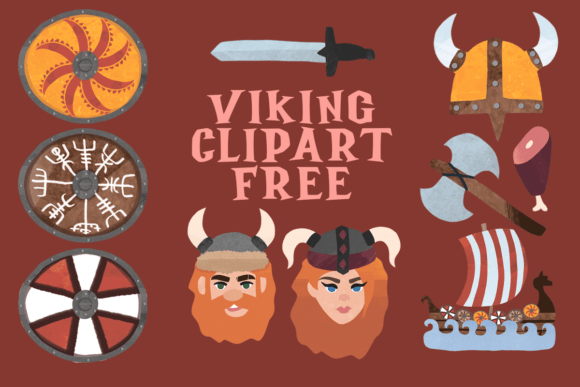
When I first opened the file, the immediate mood was bold and rugged. The visual personality of Viking Clipart Free leans heavily into the classic iconography we all know and love. It doesn’t try to be subtle. For an embroidery designer, that is actually a relief. Subtlety is hard to pull off in thread; bold shapes read better, especially when you are working with standard polyester threads that can sometimes lose definition if the details get too microscopic.
The layout feels balanced, which is crucial for stability during stitching. A design that is top-heavy or has uneven weight distribution can cause puckering, especially on lighter fabrics. This clipart seems to have a solid anchor point, likely the central figure or shield motif, which gives the eye (and the machine) somewhere to rest. It creates a sense of strength and tradition, making it an excellent candidate for brands that want to convey heritage, durability, or a bit of playful masculinity.
Real-World Application: The Tote Bag Test
To really judge a design, you have to imagine it on a product. My mental test case for Viking Clipart Free was a custom embroidered tote bag for a local craft fair booth. Why a tote? Because it is one of the most common items Etsy sellers and small shop owners produce, and it is also one of the most unforgiving surfaces. Canvas is thick, textured, and can shift if your stabilizer choice isn't spot-on.
I visualized placing this design centered on a heavy-duty cotton canvas bag. The high contrast of the Viking theme works beautifully here. The dark outlines would pop against a natural beige or black canvas, and the fill stitches would provide a nice tactile texture that contrasts with the woven fabric. It feels like a product that someone would actually buy as a gift for a partner, a father, or a history buff. It has that "personalized gift" energy without being overly sentimental.
However, I also considered it for a sweatshirt embroidery project. Placing this on the chest of a charcoal gray hoodie feels very appropriate. The ruggedness of the clipart matches the casual nature of the garment. It’s not delicate lace; it’s sturdy, masculine-coded imagery. For a handmade product aimed at men or unisex markets, this design hits the right note of authenticity without feeling like a costume party prop.
Where to Exercise Caution
No design is perfect for every situation, and Viking Clipart Free is no exception. There are specific scenarios where this graphic might struggle, and knowing these limitations is what separates a pro from a hobbyist.
- Small Hoop Sizes: If you are trying to squeeze this into a 4x4 hoop or smaller, you need to be careful. While the overall shape is strong, any tiny details—like facial features or intricate patterns on the hat—might become indistinguishable blobs if scaled down too far. Always inspect small details before committing to a small finish size.
- Textured and Stretchy Fabrics: Think jersey knits for t-shirts or ribbed cuffs on caps. Embroidery on stretchy fabric requires a hooping technique that prevents distortion. If the design has long satin stitches, they might warp on a curved surface like a baseball cap. I recommend testing this on scrap fabric first to see how the tension holds up.
- Dense Stitch Areas: If the original file uses dense fill stitches, putting that much thread on a thin fabric like a tea towel or a baby onesie could result in stiffness or even perforation over time. For delicate items, you might want to simplify the design or use applique techniques instead of pure embroidery.
- Dark Fabric Without Proper Underlay: If you plan to embroider this on black or navy fabric, ensure your digitizer (or yourself, if editing) includes a proper underlay. Otherwise, the vibrant thread colors might get lost in the weave of the dark fabric, making the design look muddy rather than crisp.
Design Notes for the Practical Maker
Before you upload this to your machine or send it out for production, there are a few technical checks I always perform. First, check the stitch density. Is it too tight? Too loose? A good machine embroidery design should sit flat on the fabric, not bulge out like a blister. If the fill stitch areas look crowded, consider reducing the density slightly or switching to a running stitch outline for a more open, airy look.
Also, think about your thread colors. The default color palette in the digital preview might not translate perfectly to your physical spools. I always suggest creating a black and white mockup to check the contrast levels. If the design relies on subtle shading, it might not work well in thread unless you use variegated threads, which can sometimes hide detail rather than enhance it.
For those of you selling finished products, remember to confirm the licensing terms. Just because it is labeled as a freebie doesn't automatically mean you can sell unlimited quantities of the final product. Check if it allows for commercial use on Etsy listings or if it is restricted to personal gifts only. This is a common pitfall for craft business owners who assume "free download" equals "free to sell."
Final Verdict on Value and Appeal
So, does Viking Clipart Free earn a spot in your library? Yes, but with context. It is a strong, recognizable asset that works best on sturdy fabrics and larger formats. It adds immediate visual interest and fits seamlessly into themes of adventure, heritage, and northern culture.
It is particularly effective for embroidered patches, where the bold lines stand out clearly against the background. It also shines in holiday embroidery projects, perhaps as a themed ornament or a festive stocking accent for someone with a unique taste. For digital product sellers, this clipart can serve as a base for creating printable mockups or design assets, provided you respect the usage rights.
In summary, Viking Clipart Free is a reliable workhorse for designers who want to add a touch of Scandinavian flair to their custom apparel and handmade products. It isn't delicate, and it isn't for tiny spaces, but when used correctly on the right fabric, it delivers a professional, trustworthy, and engaging result that customers appreciate. Just remember to test, stabilize, and check your licenses, and you’ll be set to create some impressive finished pieces.